

Biryani has become a staple dish in one of the most famous in the world. Originating from Pakistan, it has made its way internationally to almost every region on earth and is celebrated by various cultures and regions. Traditional biryani recipes are a perfect blend of aromatic spices, tender meat, and fragrant rice, creating a dish that’s rich in flavor and history.
As such, the dish has a lot of variants that appeal to different cultures. Whether it’s Chicken Biryani, Mutton Biryani, or Lamb Biryani, the main premise of the dish is consistent, rice infused with spices and herbs and meat of your choice served with a side of raita. There are a whopping 26 different variants of biryanis, and here are our top picks for the best ones you can try. However, all of them require different types of spice and herb blends, so don’t fret unless you’re a Southeast Asian cook because chances are you’ll probably have all of them.
Sindhi Biryani
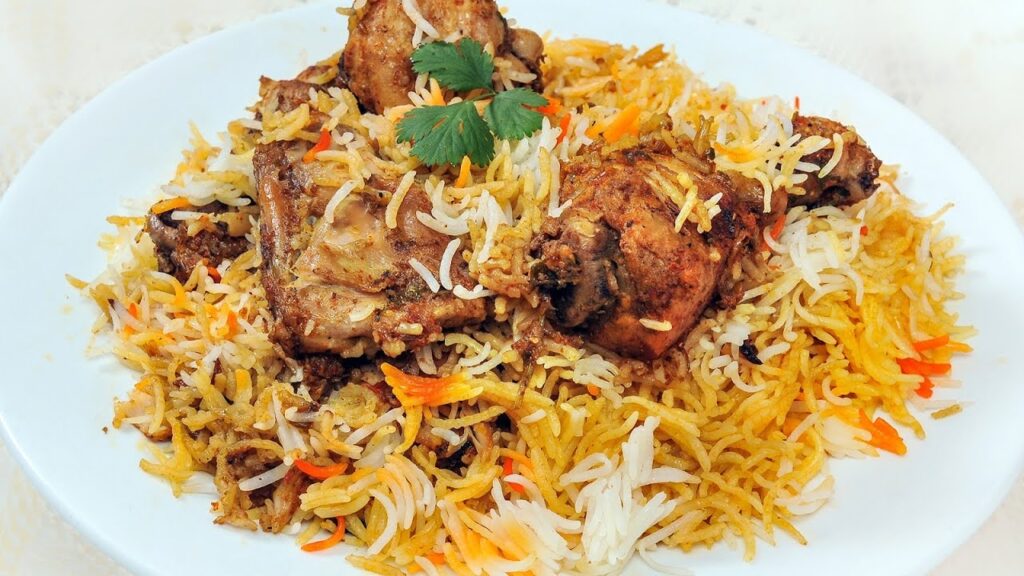
As the name implies, Sindhi Biryani originated from Sindh, one of Pakistan’s five provinces. During the subcontinent era, Biryani was made in the same region, making Sindhi Biryani the original version of Biryani.
To make Sindhi Biryani, start off with a curry base that will be infused with Basmati rice later on. Fry onions in a pan till they’re golden brown, and remove the onions later. Add ginger and garlic paste to the oil, and choose your meat next. Most people prefer to add chicken, although the authentic recipe calls for Lamb meat. Add a blend of garam masala, a blend of different spices, once the meat starts to get color on it. Followed by a plethora of spices that are subjective but mostly include turmeric, coriander, red chili, and salt. Next, add a blend of tomatoes, onions cooked earlier, curd, and plum to enhance the tanginess.
Once the curry base is cooked, layer the cooked basmati rice with the meat curry. Some variants of Sindhi Biryani include potatoes, which people either love or hate, with no in-between. They soak up all the spices and flavors making them a nice bite-size snack for me separately, but that’s subjective. Anyhow, you can top the Biryani off with oil, Safran, and yellow food coloring, which gives Sindhi Biryani its traditional look. I know it’s weird that the color doesn’t come from the spices but from food coloring, but the Biryani recipe works just as fine without it. Let the Biryani steam cook for at least 10 minutes to let the rice and curry sauce infuse with each other and also to make the meat and potatoes tender. All you have to do is serve and enjoy with a side of Raita.
Instant Pot Biryani

For college students or someone who doesn’t want to put enough effort into a biryani recipe and just wants to enjoy a good warm spicy meal, Instant pot biryani is your best go-to recipe. As the name calls, it is a one-pot dish, meaning you don’t have to clean or pull out extra dishes and the effort put in will be minimal, with the results just as astonishing.
Start by marinating the meat of your choice, whether it’s chicken, beef, or anything else. Marinate it with brown onions, yogurt, garam masala, or a subjective blend of spices (turmeric, coriander, etc.). After letting it marinate, drop it in a deep pot with hot oil to add some color to the chicken.
In the meantime, soak your basmati rice, and without cooking it, add it to the same pot you cooked your chicken halfway through. Top with mint leaves or saffron and let it pressure cook for at least 10 minutes before everything dries out perfectly and the dish becomes perfect to serve.
Vegetarian Biryani

Although vegetarian biryani may stray far away from the original concept of Biryani, it still follows the same premise of layering basmati rice over marinated vegetables, which is the alternative to meat in this regard.
To begin, choose a base of yogurt/curd added with red chili powder, coriander powder, cumin powder, and some other masalas of your choice; personally, I’d add a touch of garam masala, too. Next, add some chopped vegetables of your choice. A few choices can be cauliflower, onions, tomatoes, capsicum, and potatoes.
In a pan, add ghee and saute those vegetables for at least 5-10 minutes. The final step of the recipe goes like any other; layer your cooked basmati rice alongside the vegetable curry and top off with saffron and mint leaves for an extra added flavor. Steam cook for 10 minutes and serve hot for a delicious, spicy, and vegan alternative biryani recipe.
Raita Recipe for Biryani (Bonus)
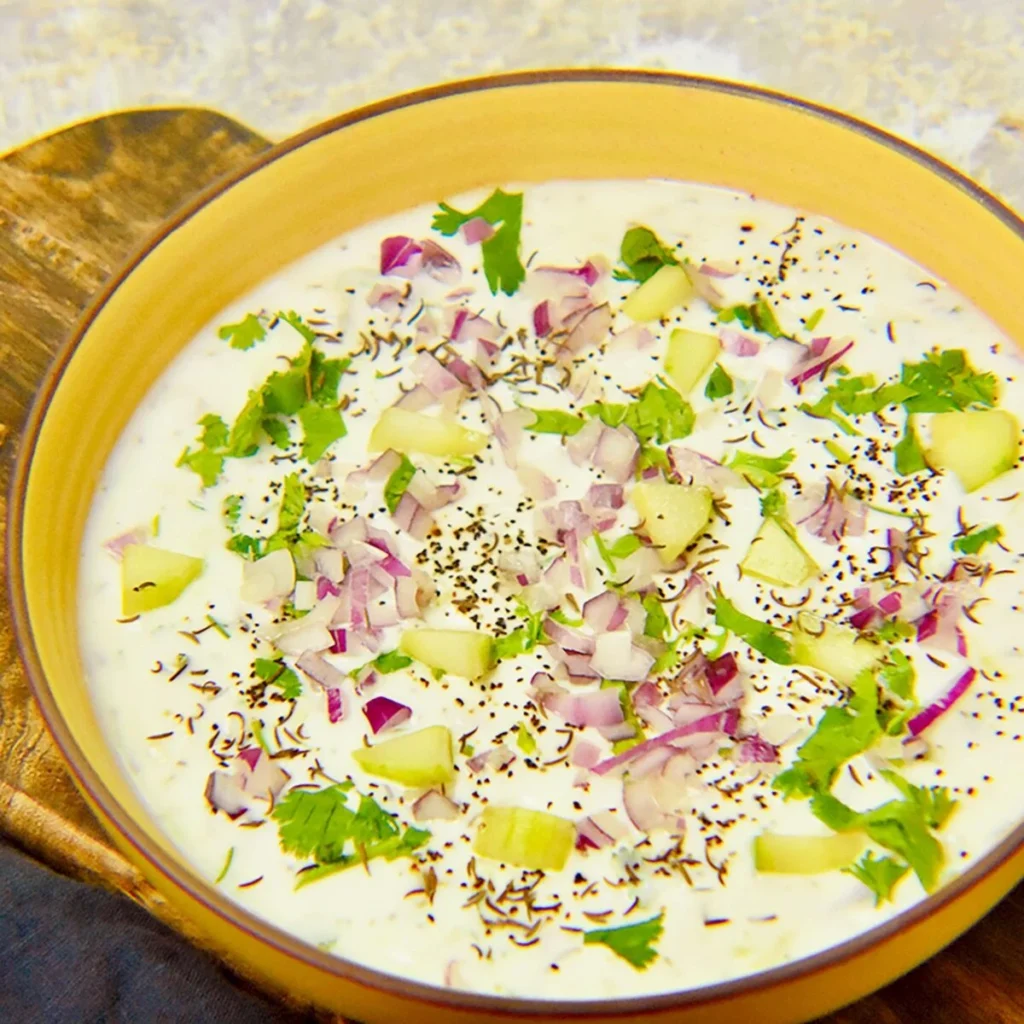
If you’re a non-South Asian reader and have come across the word ‘raita’ multiple times in this article, you’re probably wondering what it is. Consider Raita as a sort of sauce that goes along with Biryani, and no Biryani recipe is’ complete without Raita.
To make Raita, start with a yogurt base and add the diced vegetables of your choice, including cucumber, onion, or tomatoes. Add a touch of salt and cumin to give Raita its authentic look, and enjoy with a plate of hot, steaming, spicy Biryani.
Cooking The Basmati Rice (Bonus)
Cooking basmati rice in the authentic Southeast Asian way is quite different from cooking in Asian households and even Western ones. In the subcontinent, people prefer rice to be non-sticky and stiff, which prevents it from becoming soggy and enhances the flavor.
To start, take your basmati rice, soak it in water, and rinse it till the water becomes clear and the rice loses all of its starch. Next, soak the rice in clear water till it doubles in size. Take a pot, and add a few cups of water, enough that double the volume of the rice. Add a few cloves and salt for the flavor, and as the water begins to boil, pour in the drained rice. Let it cook for at least 10 minutes before draining it out again. Typically, biryani gets its final steaming touch when layered with curry sauce. However, if you want to serve basmati rice with something else, simply steam the rice, drain it, and top it with saffron and cilantro.